
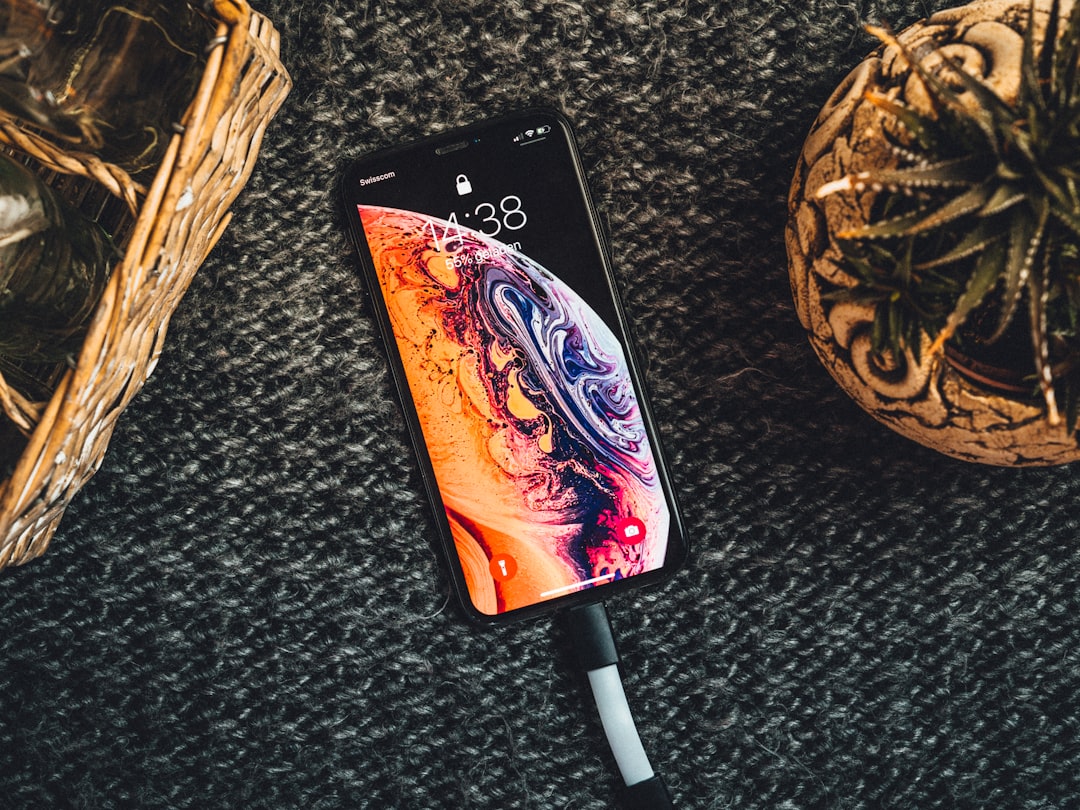
In today’s fast-paced digital world, technology is no longer a luxury—it’s a necessity. Whether it’s smartphones, smartwatches, headphones, or home automation devices, tech gadgets have become integral to how we live, work, and connect. But with such a wide spectrum of options available—ranging from high-end, premium devices to budget-friendly alternatives—the big question remains: Should you splurge or save?
In this blog, we’ll explore the pros and cons of both luxury and affordable tech gadgets to help you make smarter choices based on your needs, preferences, and budget.
Understanding the Appeal of Luxury Tech Gadgets
Luxury tech gadgets are often considered the pinnacle of innovation, design, and user experience. Think of the latest iPhone Pro models, flagship Samsung Galaxy devices, or high-end noise-canceling headphones from Bose or Sony. These gadgets command premium prices—but why?
Key Benefits of Luxury Tech:
-
Superior Build Quality:
Luxury gadgets often feature premium materials such as surgical-grade stainless steel, sapphire glass, or ceramic finishes. This not only adds to the aesthetic but enhances durability. -
Cutting-Edge Features:
High-end devices are typically the first to introduce new technologies—whether it’s an ultra-responsive display, advanced AI-powered photography, or seamless ecosystem integration across devices. -
Brand Prestige and Customer Support:
Buying a luxury tech product often means becoming part of a brand’s exclusive ecosystem, which includes dedicated customer service, extended warranties, and premium unboxing experiences. -
Resale Value:
Some luxury tech items retain their value better and can fetch higher resale prices, especially when kept in good condition.
The Downsides of Luxury Tech:
-
High Cost:
The biggest drawback is, of course, the price tag. A top-tier smartphone can cost as much as a used car in some markets. -
Diminishing Returns:
While features may be top-notch, many users won’t fully utilize them. Paying for power you don’t need often results in wasted money. -
Faster Depreciation:
New models arrive quickly, and what’s “flagship” today may feel outdated in just a year or two.
The Rise of Affordable Tech Gadgets
On the other side of the spectrum are affordable tech options, which have significantly improved in quality and performance over the years. Brands like Xiaomi, Realme, Anker, and even some models from Apple and Samsung are offering budget-friendly versions without compromising essential functionality.
Key Benefits of Affordable Tech:
-
Value for Money:
You can get 70–80% of the performance and features of luxury gadgets at a fraction of the price. Many affordable devices handle day-to-day tasks with ease. -
Rapid Innovation at Lower Costs:
Budget brands are becoming increasingly competitive, pushing innovation in areas like battery life, display quality, and user interface at lower price points. -
Accessibility:
Affordable tech opens doors for a wider range of users—students, budget-conscious families, or those just looking for backup devices. -
Less Financial Stress:
Losing or breaking a €200 gadget stings less than damaging a €1,500 one. This peace of mind is invaluable for many users.
Drawbacks of Affordable Tech:
-
Limited Longevity:
Budget devices may not last as long due to lower build quality or less powerful hardware. -
Fewer Features:
You may miss out on flagship-only features like wireless charging, high-refresh-rate displays, or premium audio capabilities. -
Slower Software Updates:
Budget brands may delay system updates, which can affect security and performance over time.
How to Decide: Splurge or Save?
The right decision depends on your personal needs, usage patterns, and budget. Here are a few guiding questions to consider:
1. What will you use it for?
-
Basic Tasks: Browsing, emails, social media, and video streaming? A mid-range or budget device should be more than sufficient.
-
Creative or Professional Work: Video editing, graphic design, or gaming? You may benefit from the power of high-end gadgets.
2. How long do you plan to keep it?
If you’re someone who upgrades every year, a budget device might make more sense. But if you want a reliable product to last several years, investing in a luxury gadget could pay off.
3. What’s your budget comfort zone?
Never stretch your finances just to keep up with the latest tech trends. There’s almost always a budget alternative that offers good performance at a better price.
Striking the Right Balance
Many savvy consumers are discovering that the best approach is a hybrid strategy:
-
Luxury for Essentials: Invest in premium products you use every day, like your smartphone or laptop.
-
Affordable for Extras: Save on secondary gadgets like Bluetooth speakers, smart bulbs, or fitness bands.
Final Thoughts
In the debate between luxury vs. affordable tech gadgets, there’s no one-size-fits-all answer. Luxury tech offers prestige and performance, while affordable options provide flexibility and smart savings. The good news is that today’s tech market is diverse and competitive—meaning there’s a perfect gadget for every budget and lifestyle.